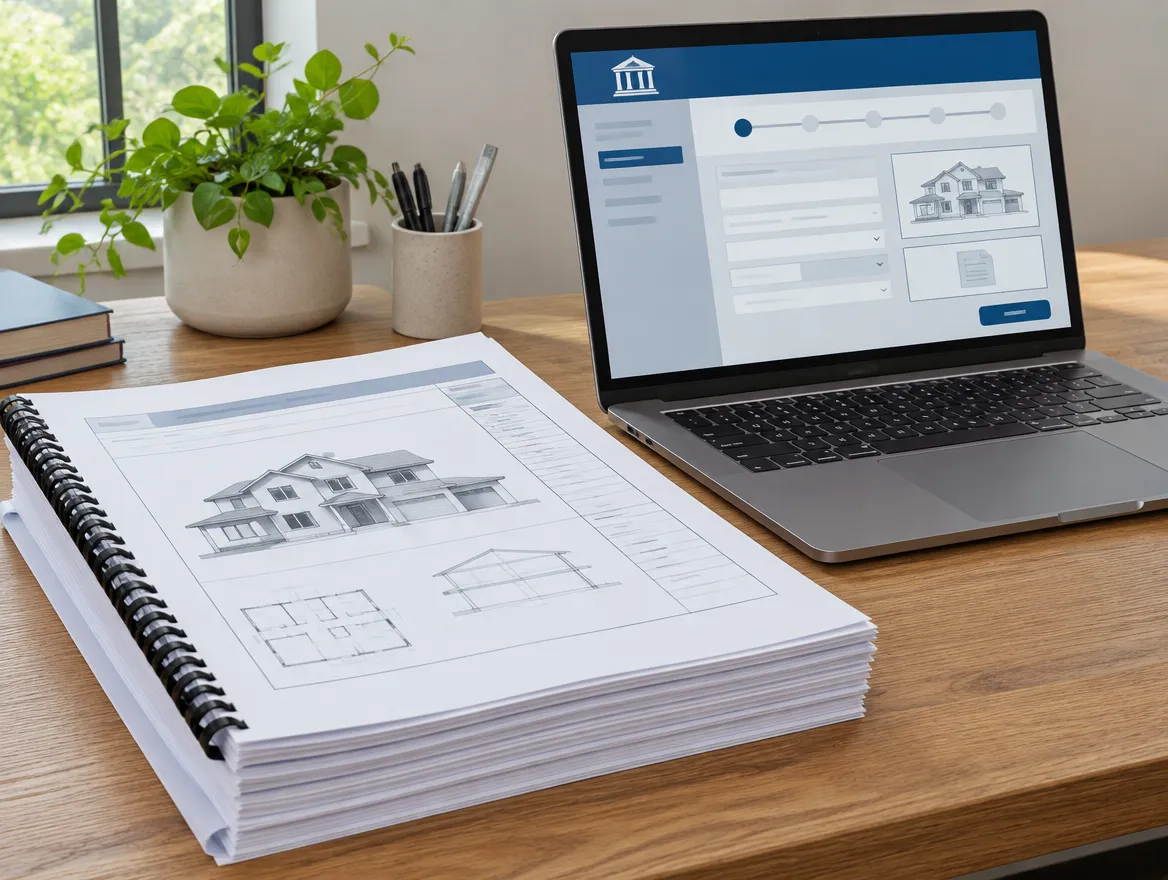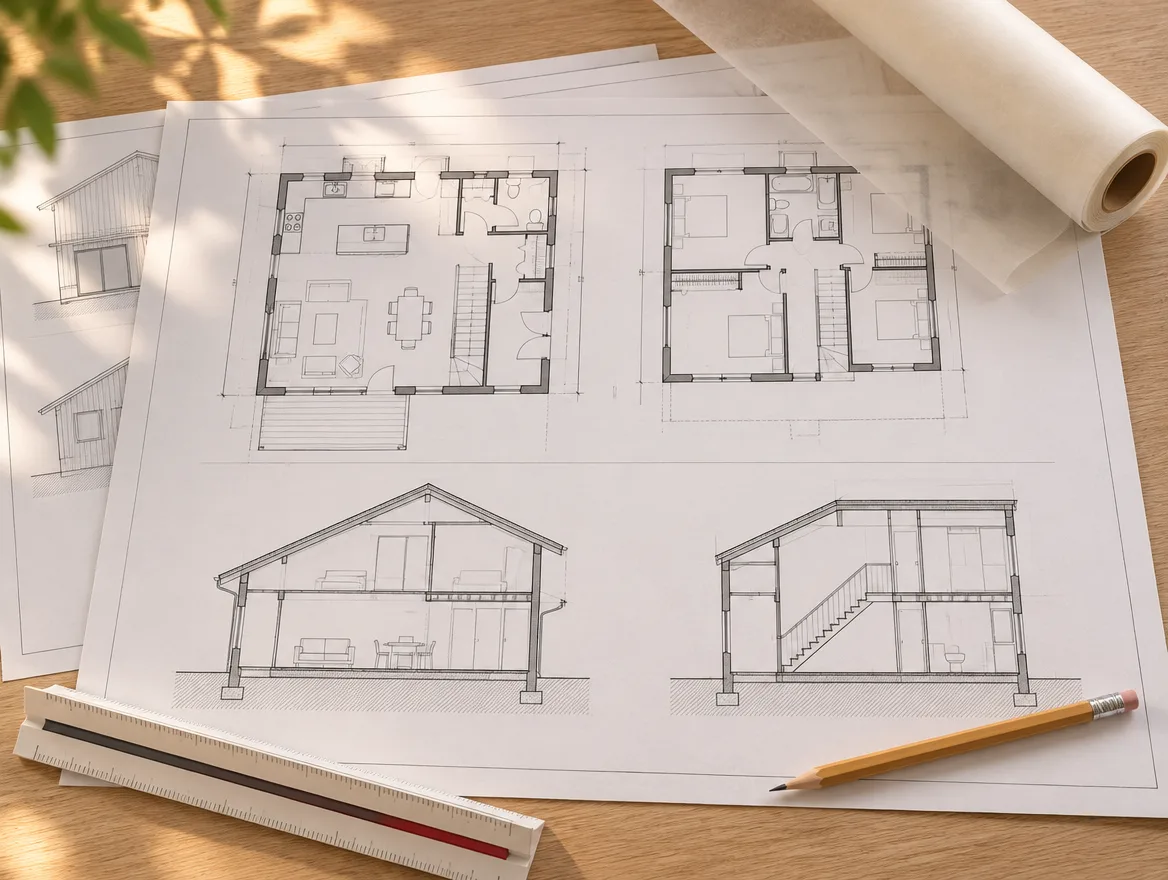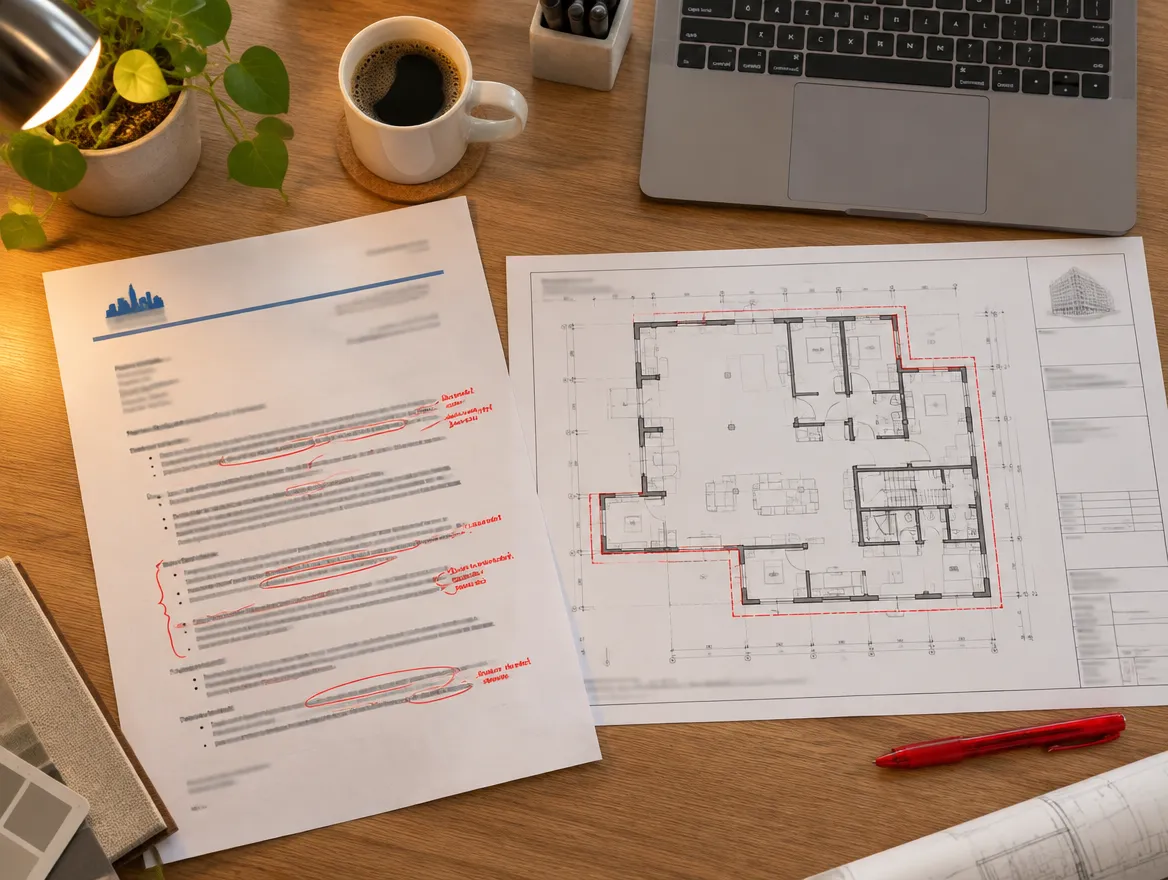
The Ontario Building Code is the same everywhere in the province, but each municipality has its own zoning bylaw, application portal, checklists, fees and local rules. The drawings are similar; what changes is what each city checks first and how it wants things submitted.
What is the same everywhere
Structure, fire separations, egress, energy efficiency and plumbing are set by the Ontario Building Code, so a well-prepared set meets the same technical standard in any city.
What changes from city to city
- Zoning rules: setbacks, height, coverage, parking and how additional units are allowed
- How applications are submitted and paid for
- Checklists and supporting documents
- Fees and development charges
- Extra reviews: heritage areas, conservation authority regulated land, trees, grading
- Registration or licensing for rental units in some cities
Toronto
Toronto has its own citywide zoning bylaw and permits multiplexes and garden and laneway suites under specific rules. Older houses, ravine and heritage areas, and tree protection often add steps. Expect a careful zoning review.
Peel: Mississauga, Brampton and Caledon
Mississauga and Brampton see many basement apartment and side-entrance applications. Brampton has a registration process for additional residential units, and both cities have specific rules for below-grade entrances and parking. Caledon has more rural properties where conservation and septic questions come up.
Halton: Halton Hills, Oakville, Milton and Burlington
Our studio is in Georgetown, in Halton Hills. Halton municipalities include many areas regulated by Conservation Halton, which can add a separate permit for work near valleys and creeks. Older neighbourhoods in Oakville and Burlington may have extra rules for infill and replacement homes.
York: Markham, Richmond Hill, Vaughan and Newmarket
York Region cities have active second unit rules and their own zoning bylaws. Properties near the Oak Ridges Moraine or regulated areas can need extra review.
Durham, Hamilton, Waterloo and beyond
Pickering, Ajax, Whitby and Oshawa, Hamilton, Guelph and Kitchener-Waterloo each have their own portals and checklists. The approach is the same: check zoning, prepare a complete set, and respond quickly to comments.
Our approach in any city
We look up your property, check the local zoning and checklist, prepare the drawings to the provincial code, and submit in the format your city uses.
Questions people ask us
Do you work in my city?
We work across the GTA and Ontario. If you are not sure, call or WhatsApp us your address.
Do I need to register my basement unit?
Some cities require registration or licensing of additional units. We tell you what applies at your address.
What is a conservation authority permit?
Some properties near creeks, valleys or shorelines are regulated by a conservation authority, which can require its own approval in addition to the building permit.
This guide is general information for Ontario and is not legal advice. Building Code requirements, zoning bylaws and city processes change and vary by municipality, so confirm the details for your property with your municipality or a qualified designer before you build.